
The Cause of Becoming a Name
Kobe, Eunoia Gallery space
Aug 22 - Sep 19,2026
Eunoia is pleased to present The Cause of Becoming a Name, a solo exhibition by Ryoko Furukawa.
The exhibition focuses on Furukawa’s ongoing exploration of the meaning and agency of “names,” presenting a new series of works developed through her encounter with female portraits by Ryōhei Koiso, a painter closely associated with Kobe.
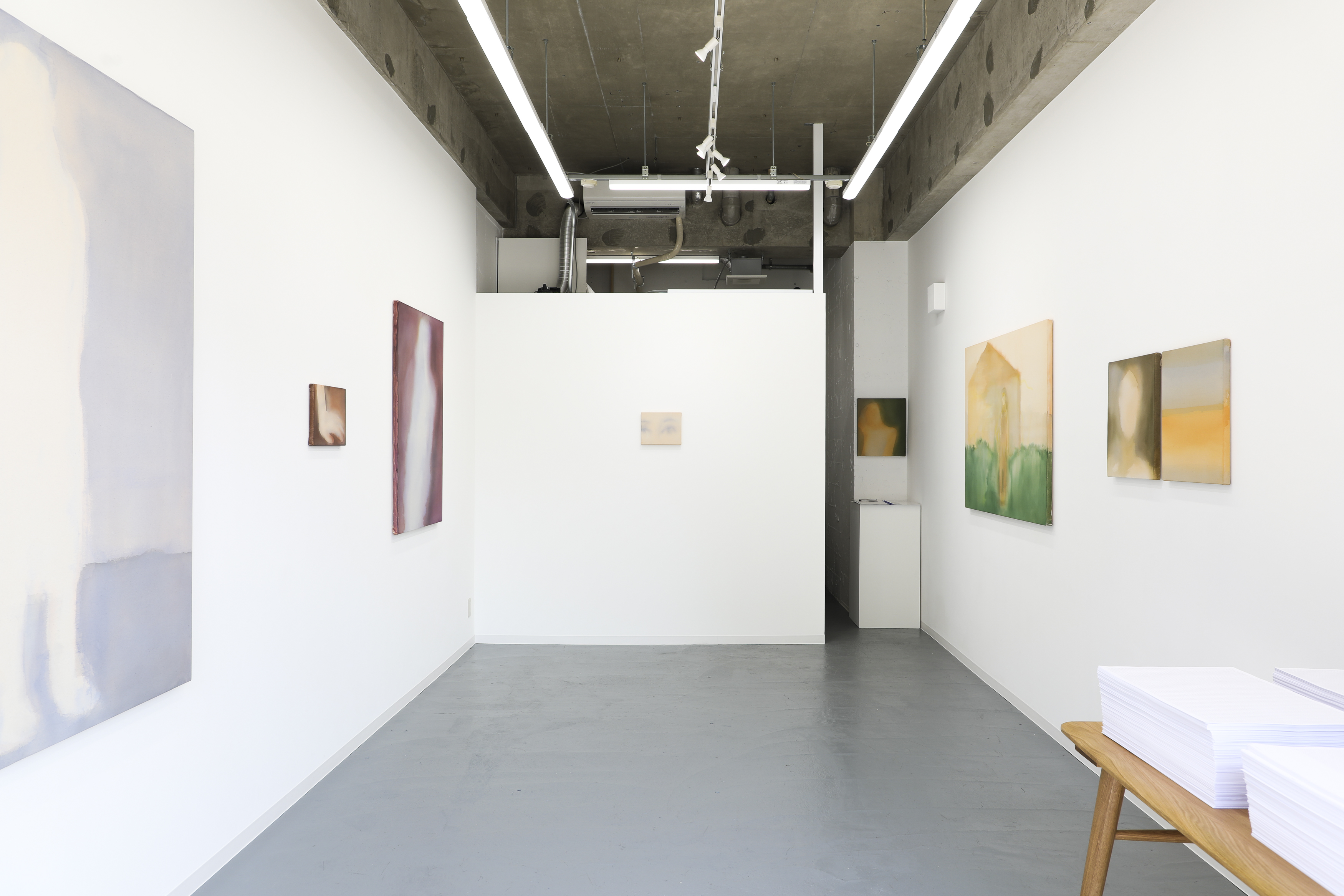
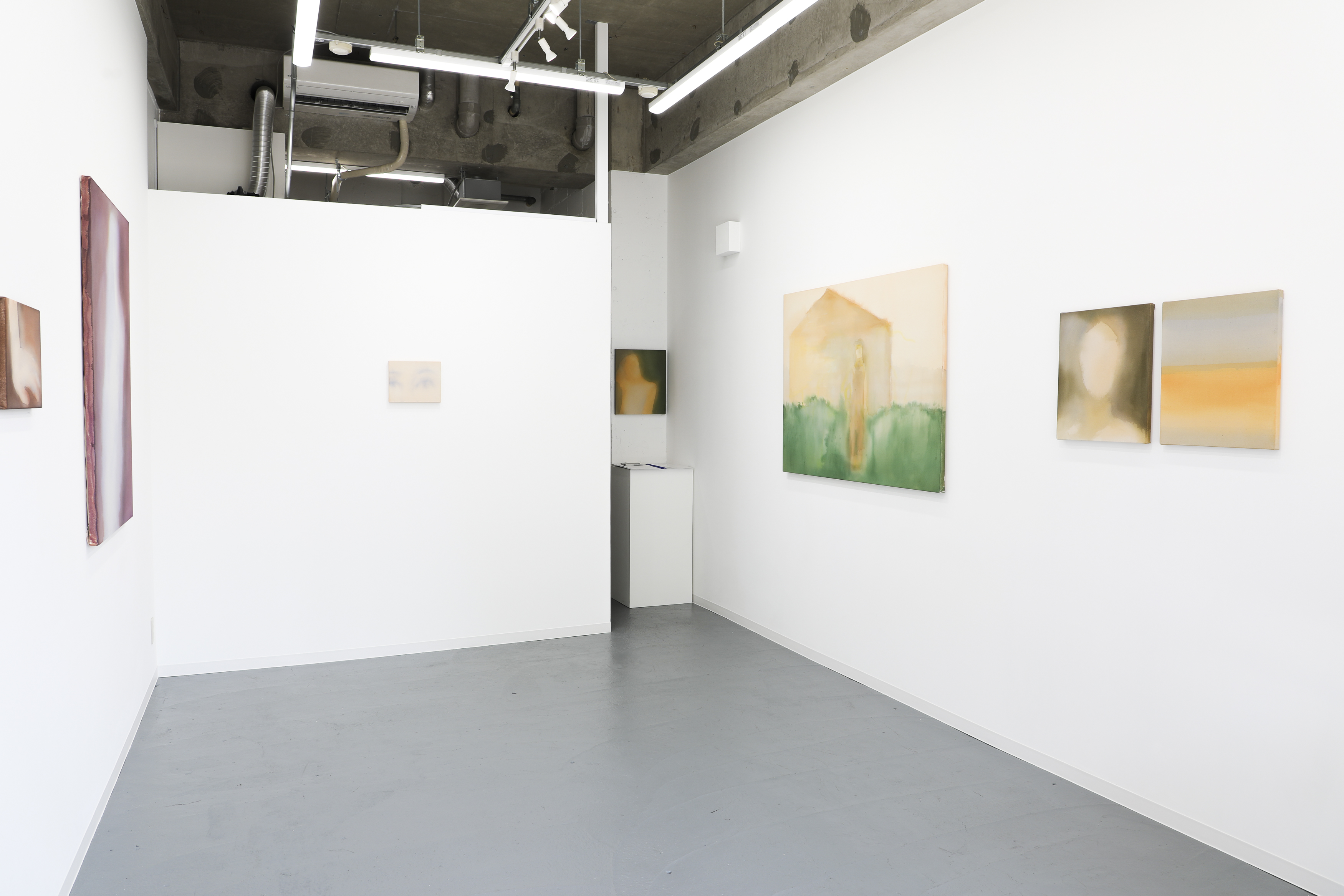
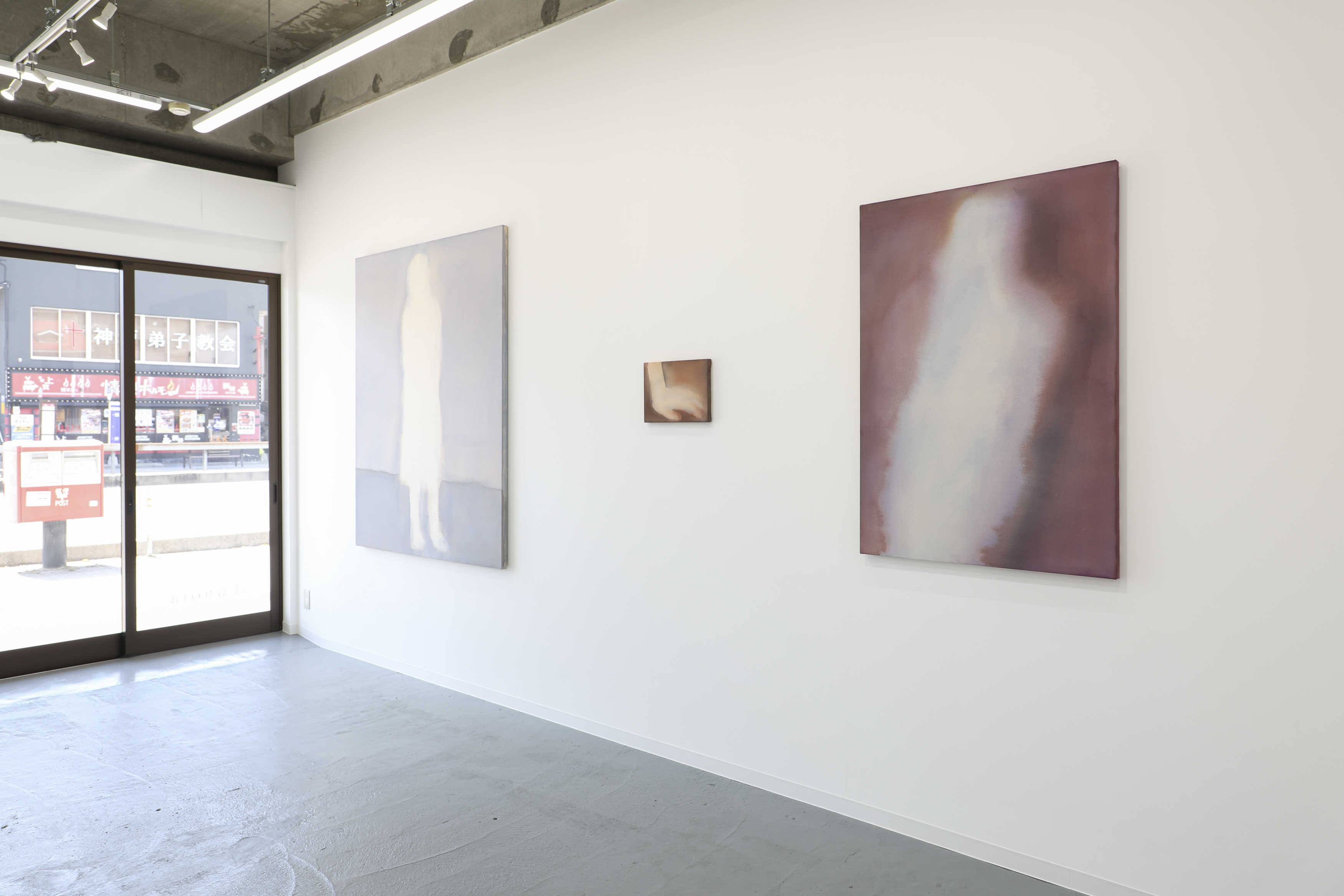
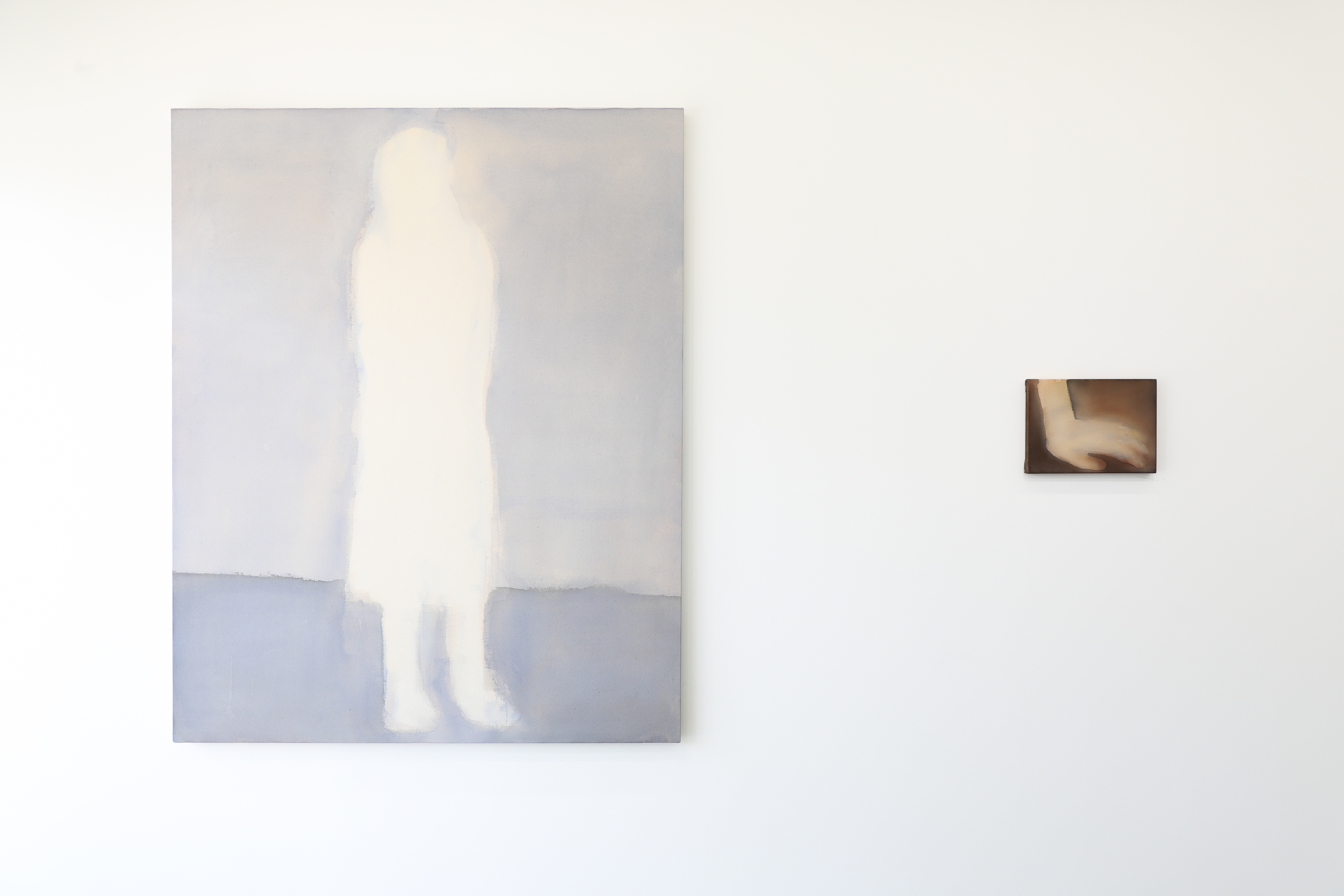
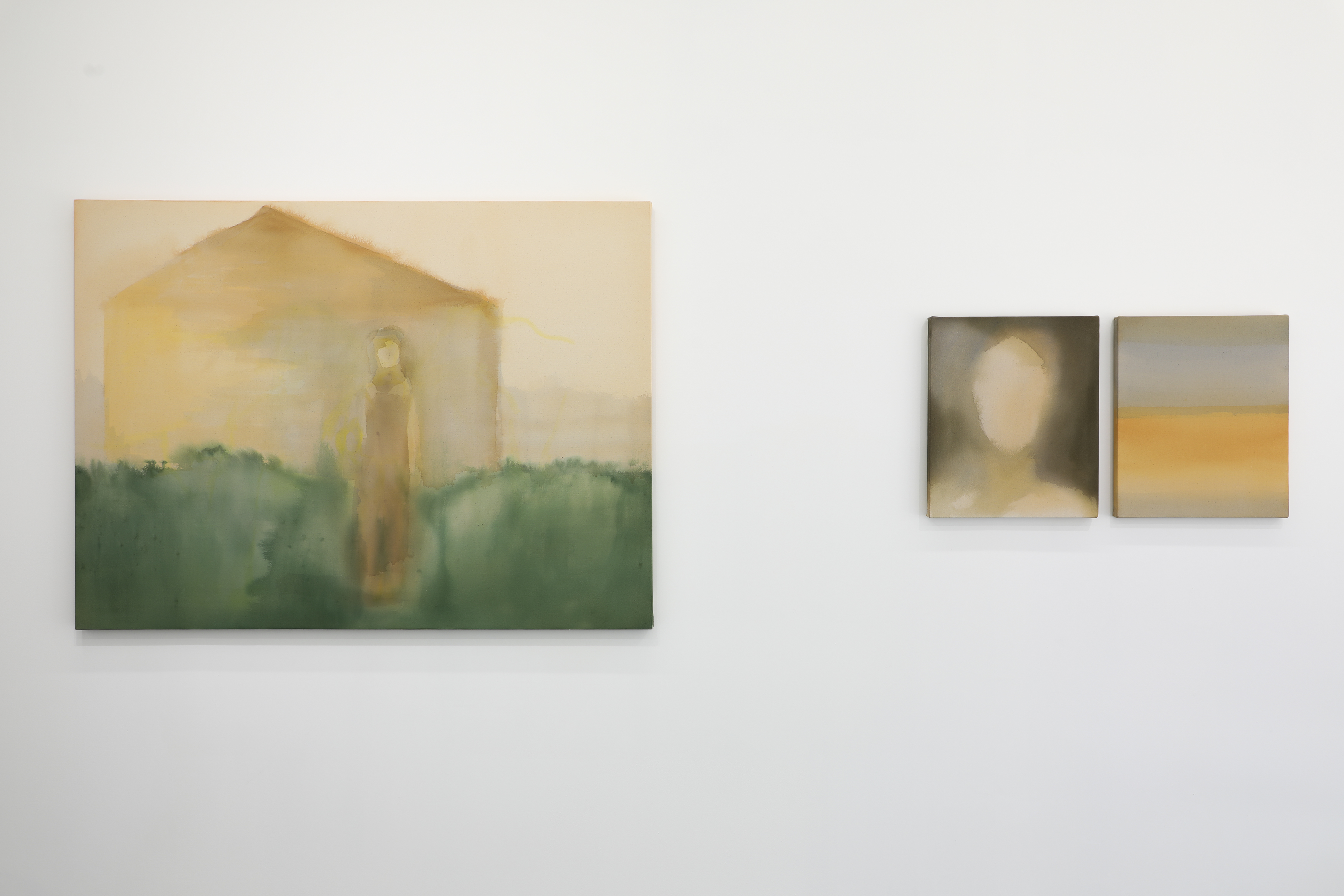
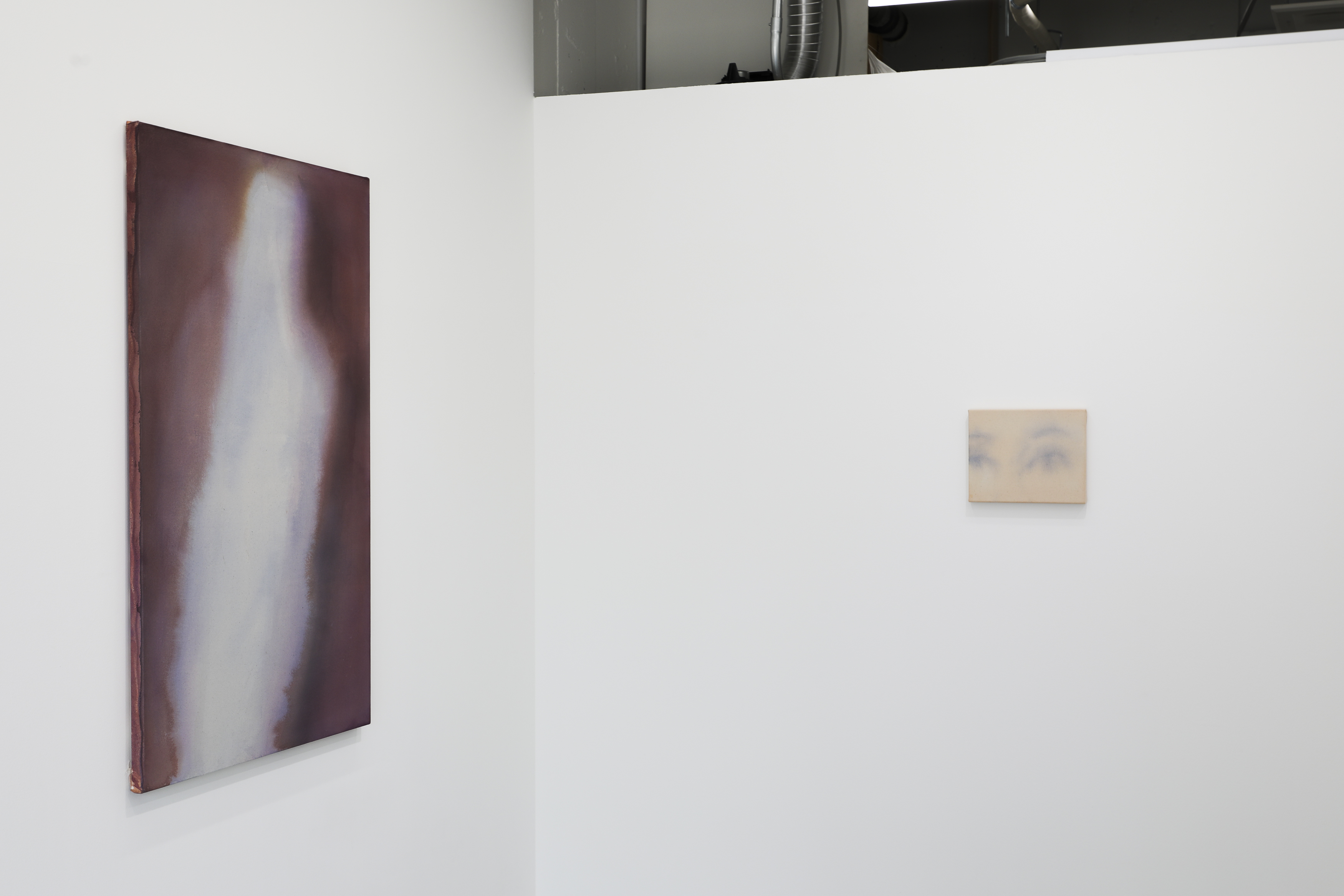


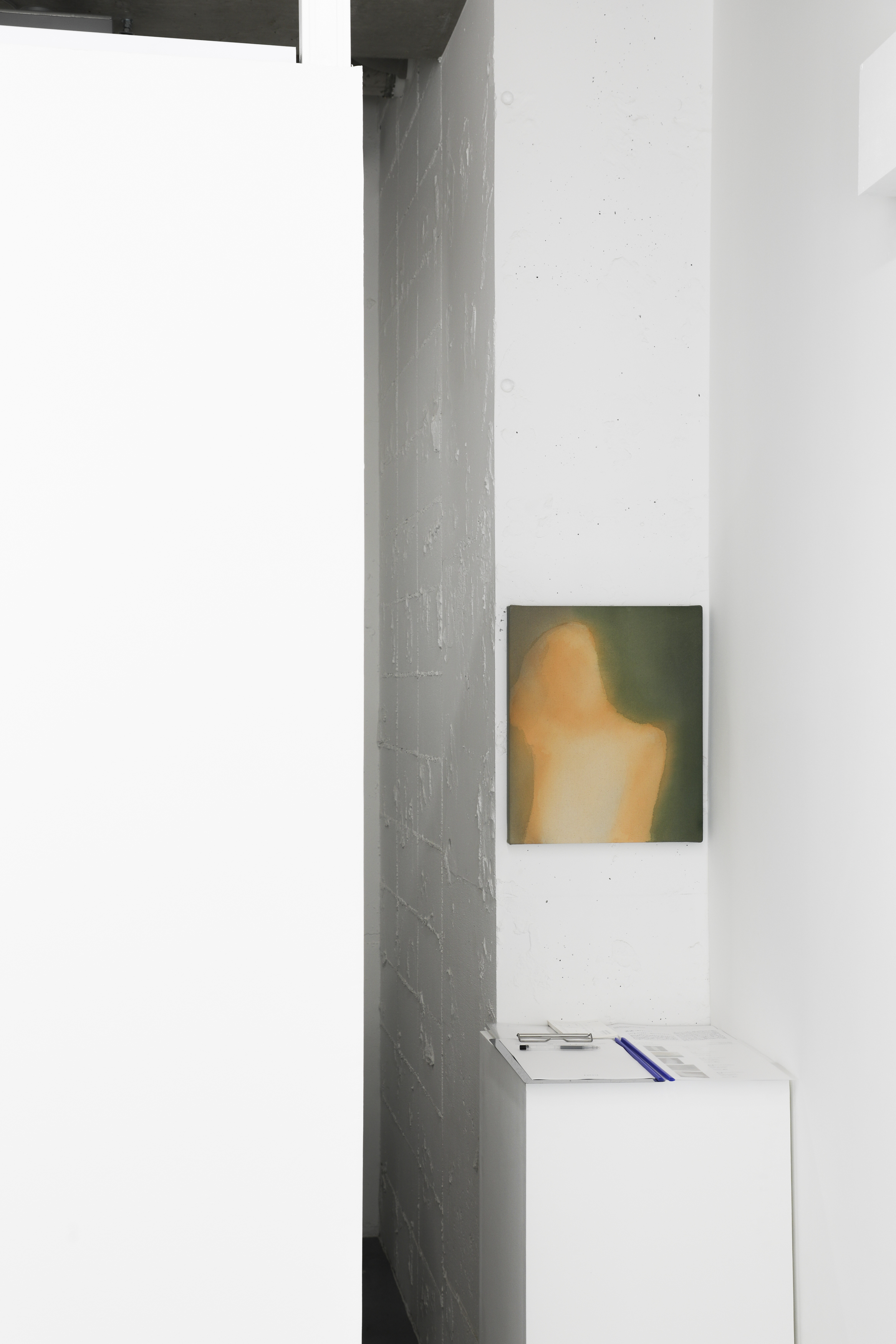
Featured Works
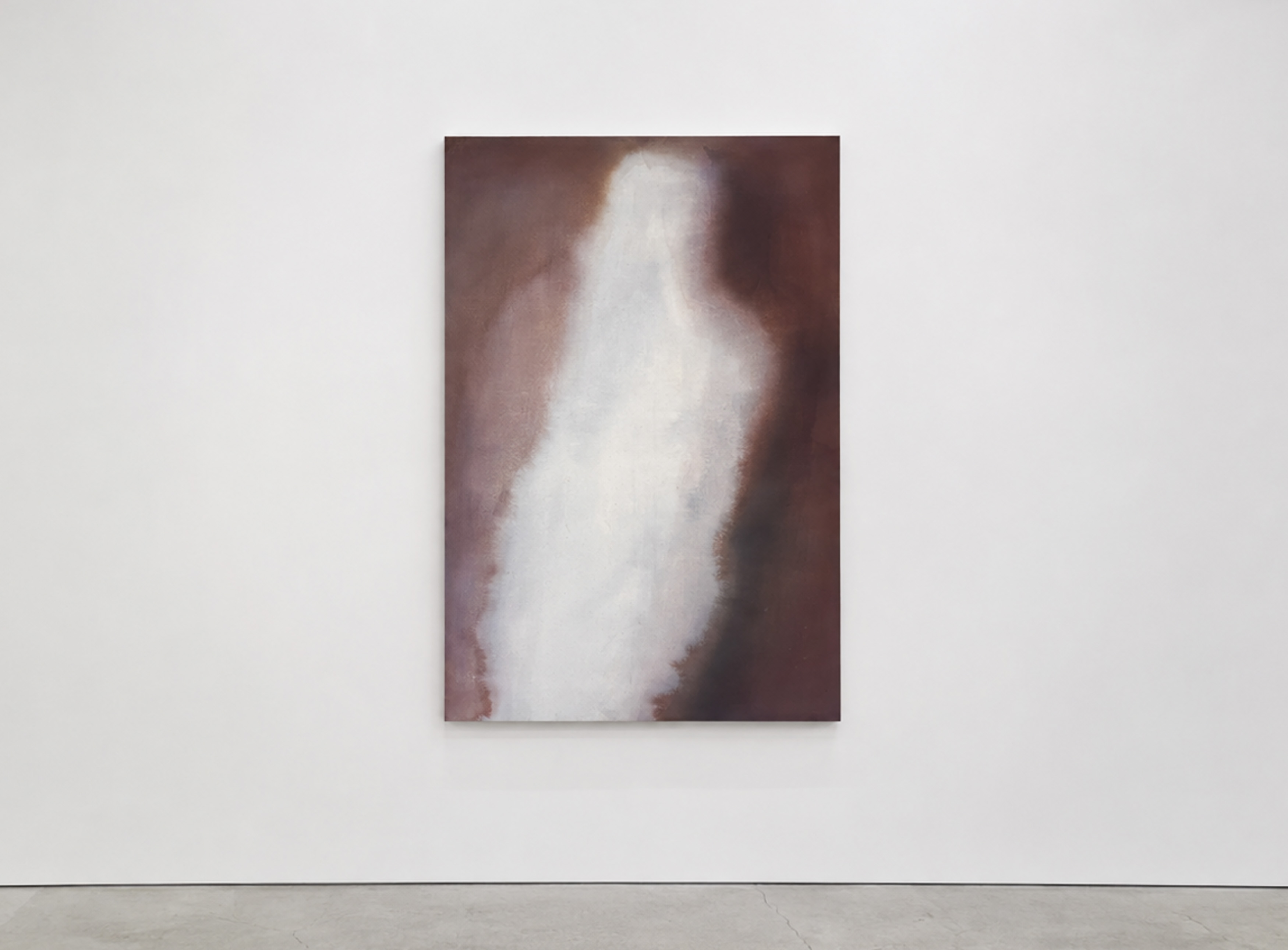
婦人像 Portrait of a Woman
Ryoko Furukawa
2026
- acrylic on canvas
H1167×W803 mm
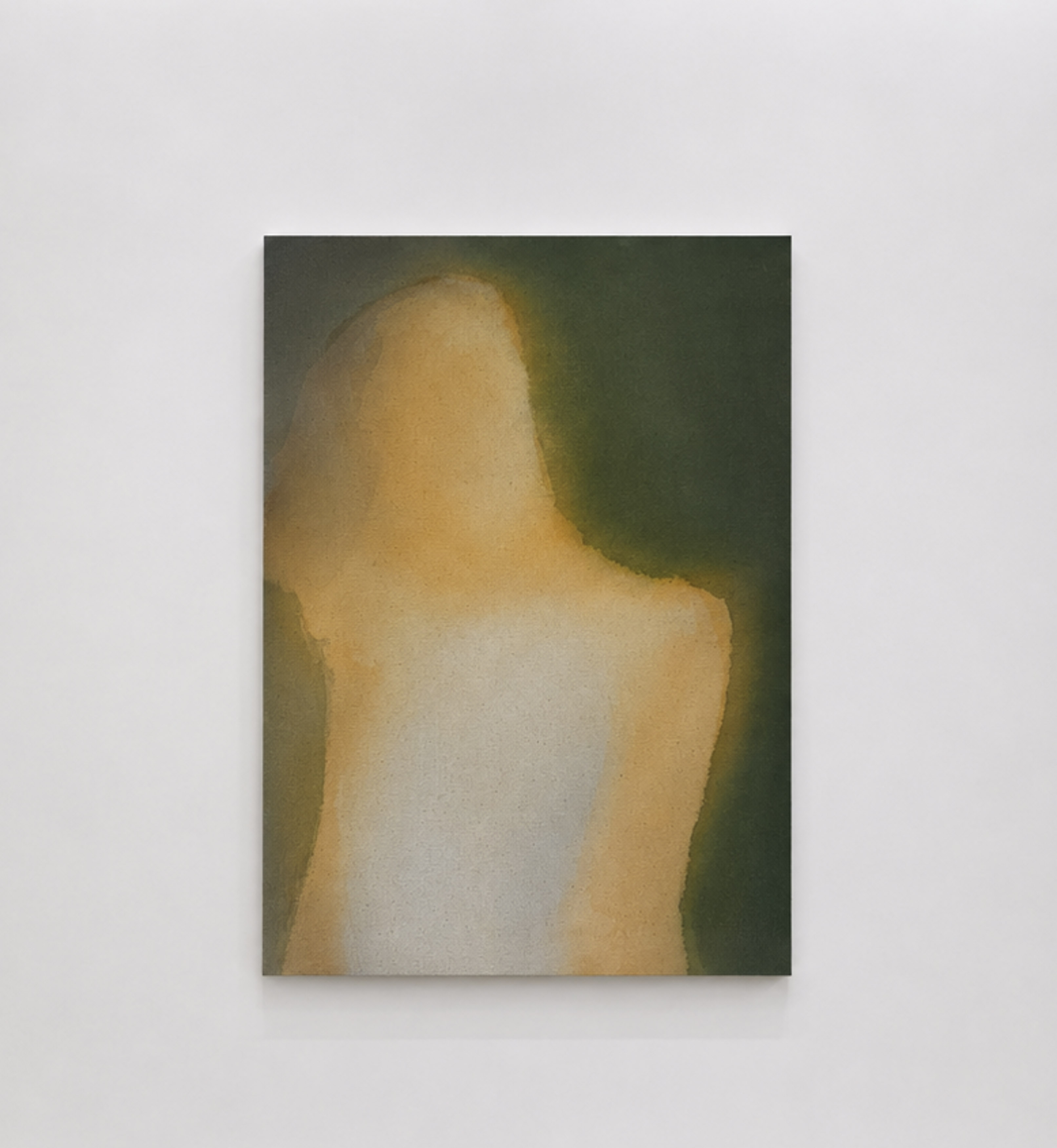
婦人像 Portrait of a Woman
Ryoko Furukawa
2026
- acrylic on canvas
H455 × W380 mm
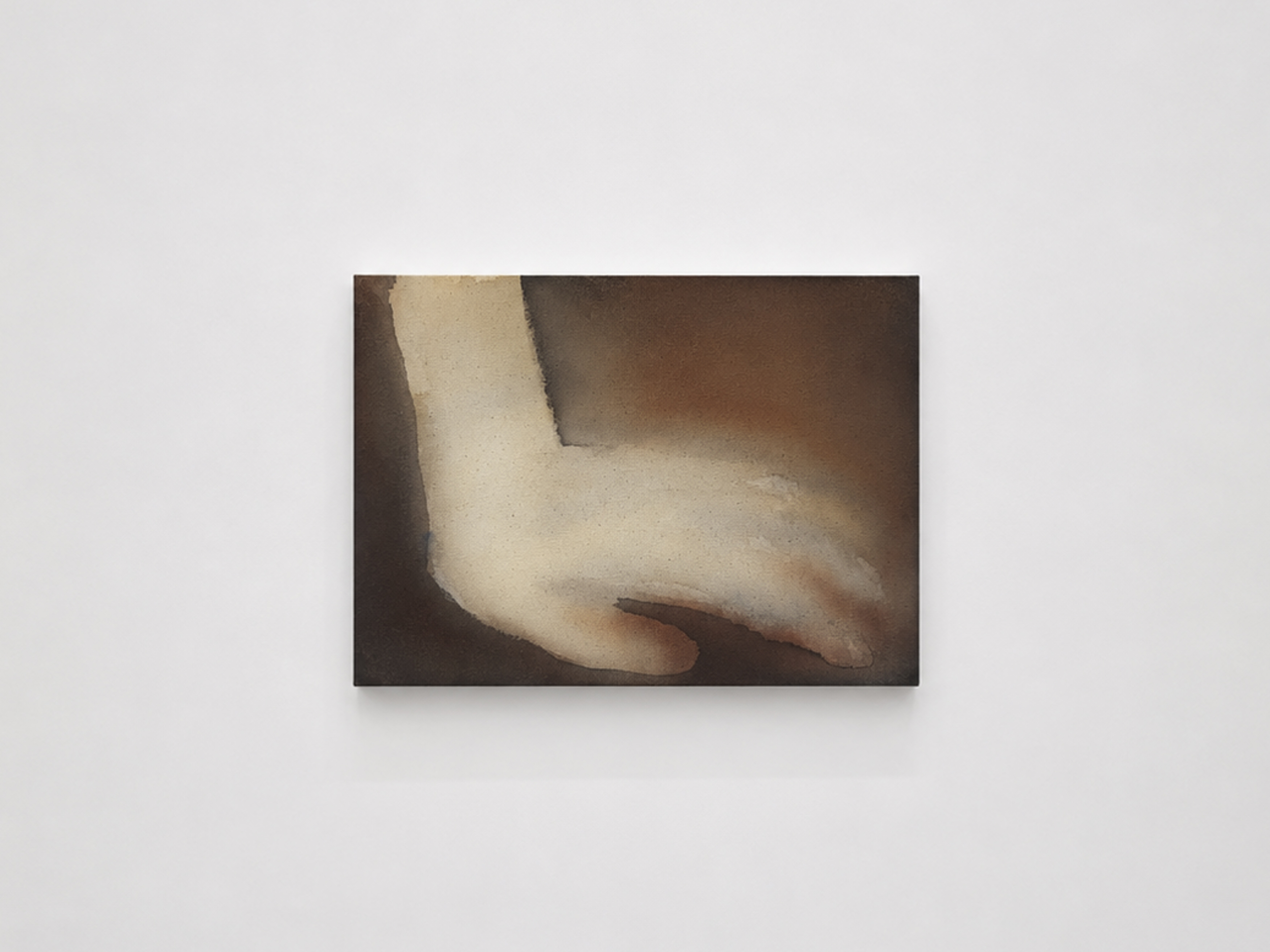
婦人像 Portrait of a Woman
Ryoko Furukawa
2026
- acrylic on canvas
H333 × W242 mm
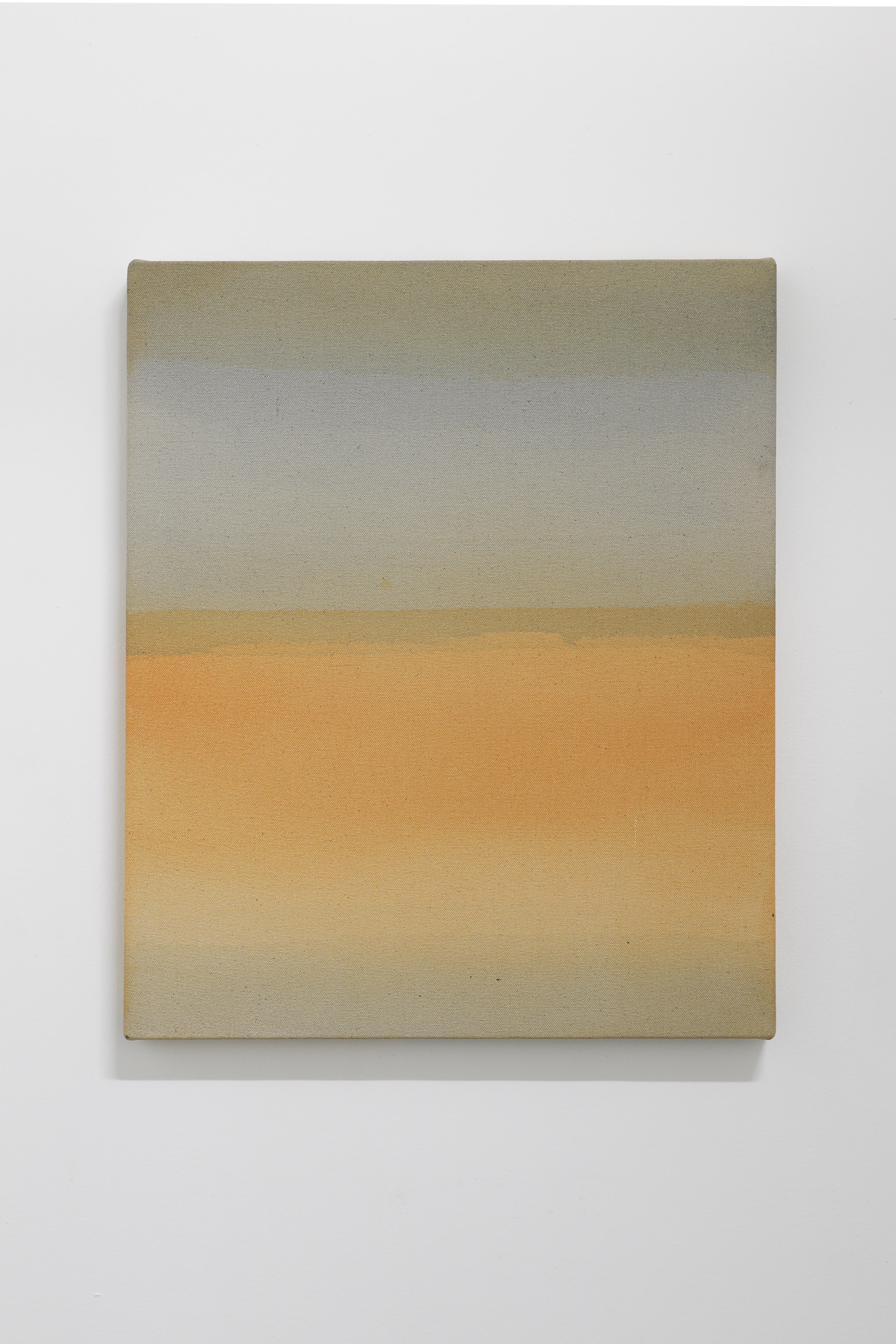
婦人像 Portrait of a Woman
Ryoko Furukawa
2026
- acrylic on canvas
H455 × W380 mm
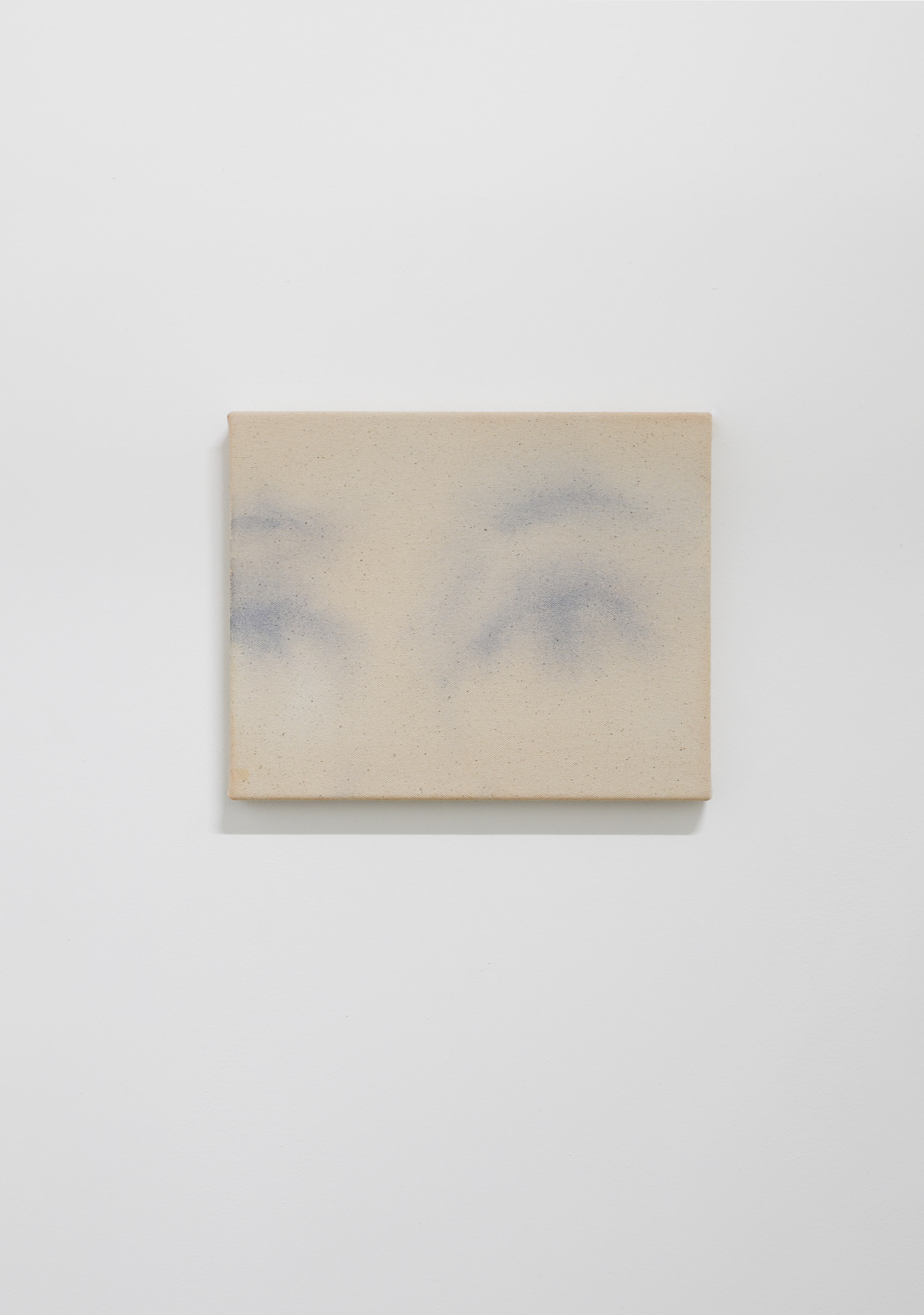
婦人像 Portrait of a Woman
Ryoko Furukawa
2026
- acrylic on canvas
H273 × W220 mm
This process reverses the conventional relationship in which a title is given to a painting after the work has been completed. Instead, language becomes the starting point from which the image emerges, establishing a new relationship between word and image. A title does not simply explain or describe the work; it functions as an entity equal to the image itself. The gaps, disjunctions, and moments of incongruity between the two give rise to new meanings and narratives. For Furukawa, this method also serves as a device for moving beyond the limits of her own imagination and experience, allowing her to arrive at images she might never have conceived otherwise.
At the same time, Furukawa’s interest in language extends beyond painting. Working across installation, video, artist’s books, quilt works, and other media, she continues to investigate fundamental questions surrounding what words are and what it means to name something. In her Language Quilt series, for example, fabrics of different colors and forms are arranged according to geometric systems, from which letters and words emerge. Language is treated not simply as a means of conveying meaning, but as a visual and material structure. Here, words are not only something to be read, but something to be “seen” and “constructed,” prompting a reconsideration of the very mechanisms through which communication takes place.
The new works presented in this exhibition take Ryōhei Koiso’s female portraits as their point of departure. Furukawa, however, is not attempting to recreate the figures or narratives depicted in these paintings. Rather, her interest lies in how the “name” given to a portrait shapes the viewer’s perception and the meaning of the work. By being given a name, a person becomes recognizable as a distinct individual; at the same time, that name can limit, frame, and continually reshape the image we form of them.
The title The Cause of Becoming a Name points to a question about what exists before a name comes into being, as well as what may emerge only through the act of naming. By turning her attention to the ambiguous and unstable space between painting and language, image and designation, Furukawa quietly questions the mechanisms through which we come to perceive and understand the world.
This exhibition opens up a space where the act of looking at a painting and the act of reading language intersect, inviting us to reconsider how images and words shape one another—and how, through naming, new possibilities of seeing and imagining may emerge.
Artist Statement
Kobe was, for me, a city that felt both near and far: just a twenty-minute bus ride from my parents’ home, followed by a thirty-minute ride on the rapid train. The painter Ryohei Koiso, who was born in Kobe, was also a figure I deeply admired. Among Koiso’s paintings of women, there are many works titled "Portrait of a Woman" (Fujin-zō). In these works, the “women” are composed and depicted according to an idealized notion of beauty. As one way of questioning such modern values of beauty, attempts have been made to focus on the women depicted and to retell their stories. Yet even with extensive research, a fundamental question remains: can what has been represented in these paintings ever truly be considered a reflection of who these women actually were? Rather than pursuing that question directly, I began from the title "Portrait of a Woman" and its imagery, and attempted to take them apart. By being called a “woman” (fujin), the figures depicted remain without individual names. I wanted to know their real names. For this exhibition, I have printed on paper 24,010,000 possible names made from combinations of two-, three-, and four-character hiragana names. “Aa-a,” “Aa-i,” “Aa-u” … all possible combinations of characters are arranged one after another. Somewhere within this vast accumulation of paper, their real names must exist. I have also attempted to dismantle the very idea of the "Portrait of a Woman" and ask whether it can be redrawn anew. If a figure has no face, for instance, or only a fragment of a hand remains, can it still be called a "Portrait of a Woman"? Beginning with the title "Portrait of a Woman", this exhibition asks how naming, proper names, and images shape and transform the ways in which we perceive and understand one another.