
3, 4
Kobe, Eunoia Gallery space
Jul 11 - Aug 8,2026
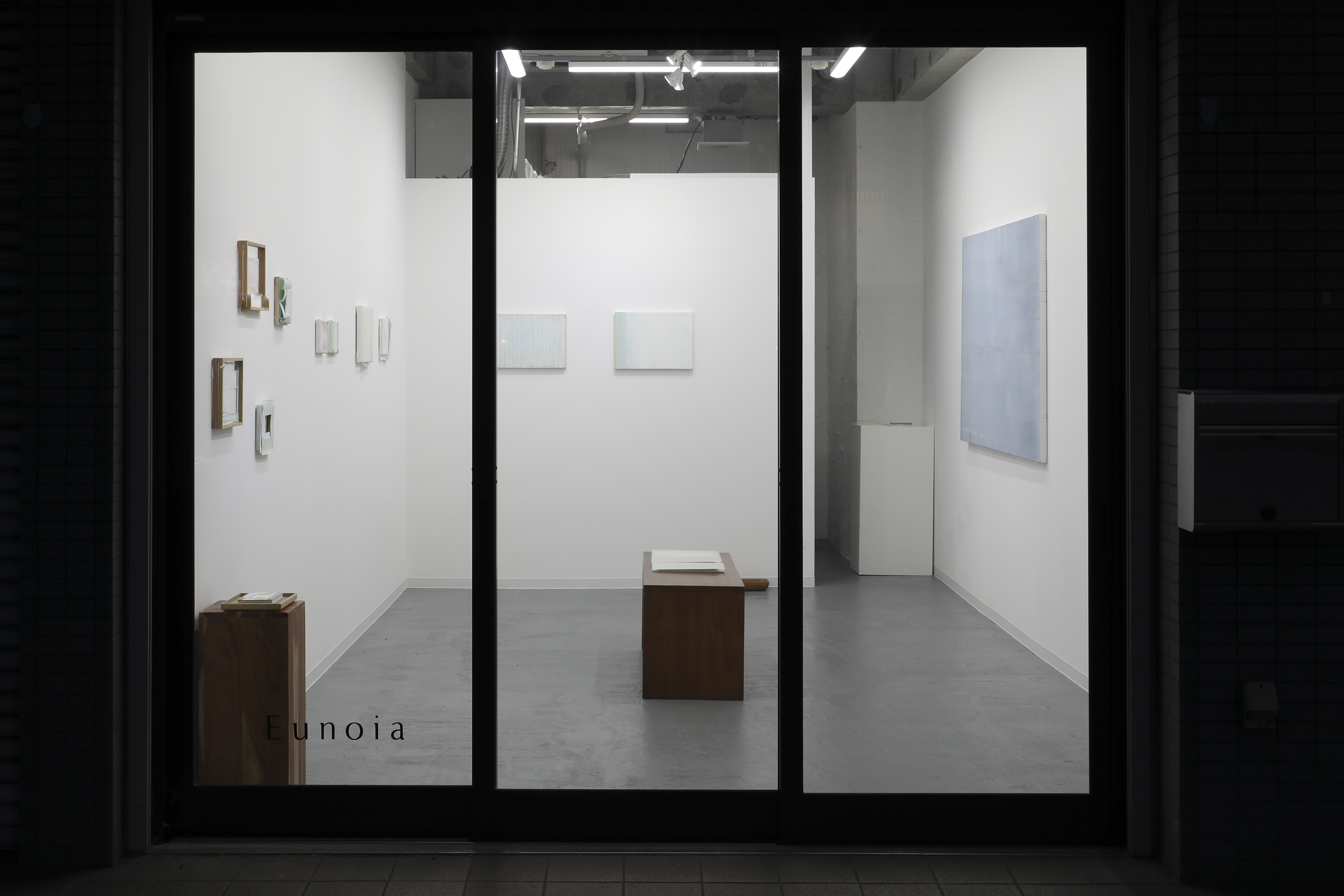
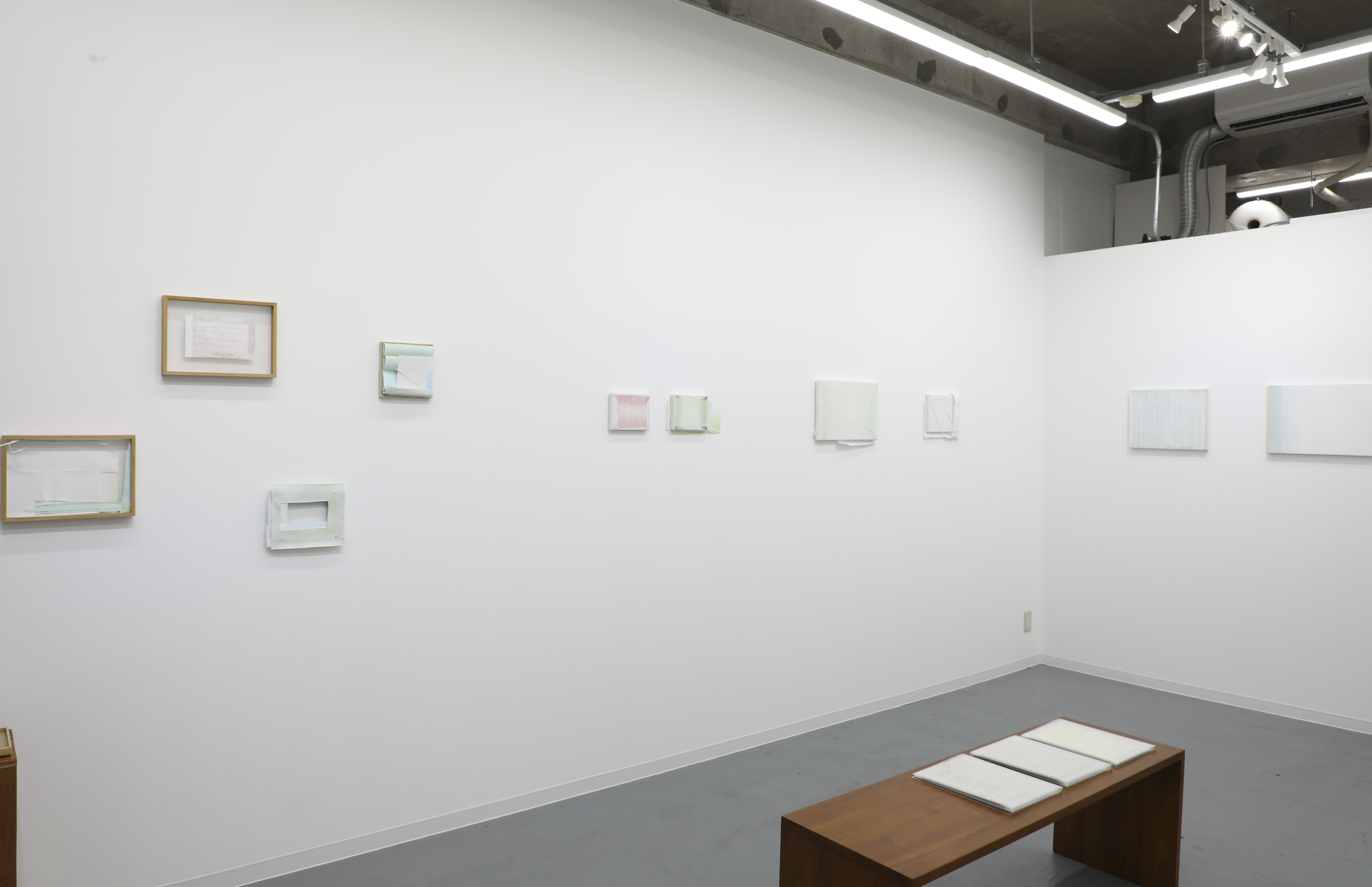
Eunoia is pleased to present 3, 4, a solo exhibition by Zhang Pingcheng. The exhibition features a new body of work centered on the artist’s ongoing series of irregularly shaped canvases.
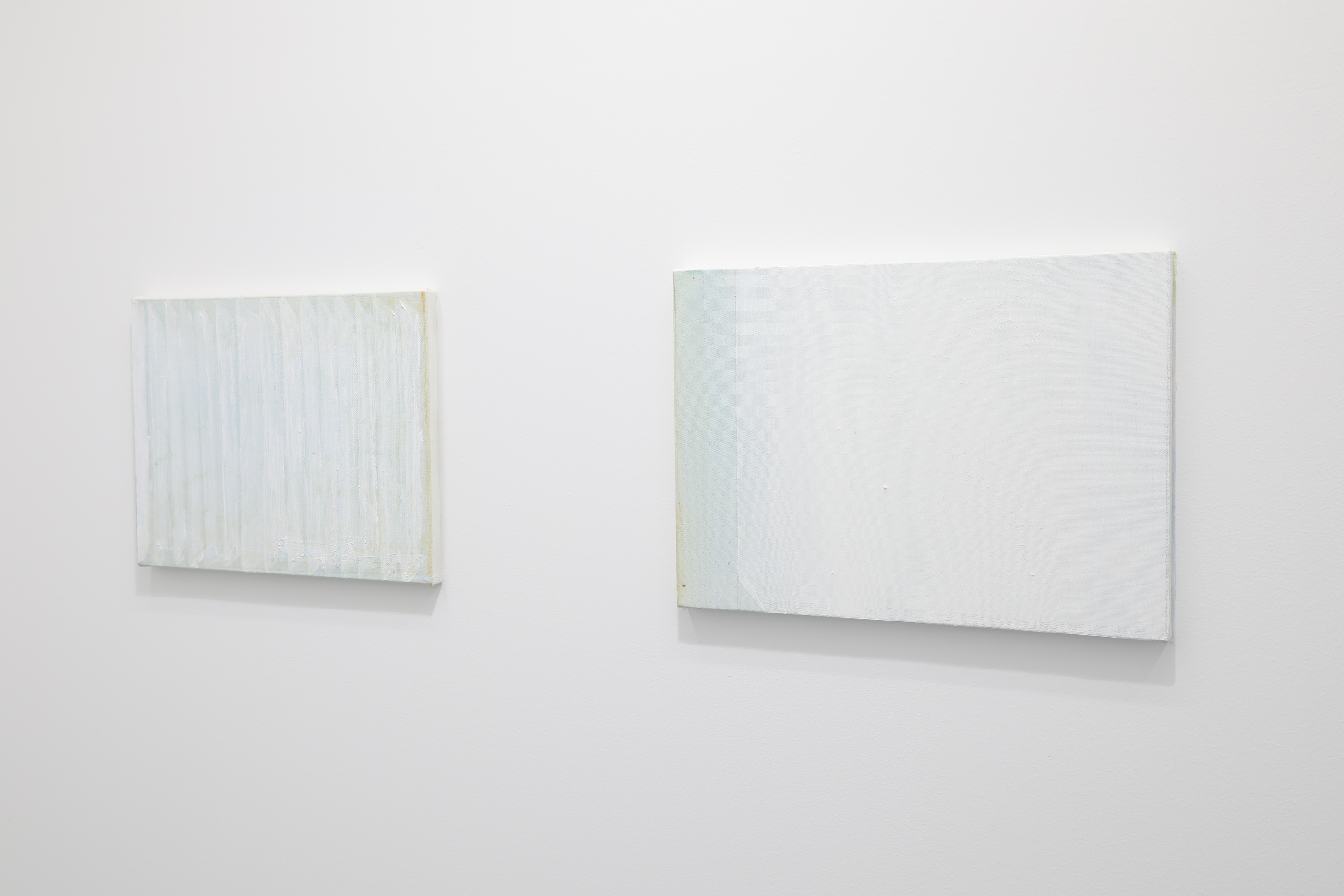
Featured Works
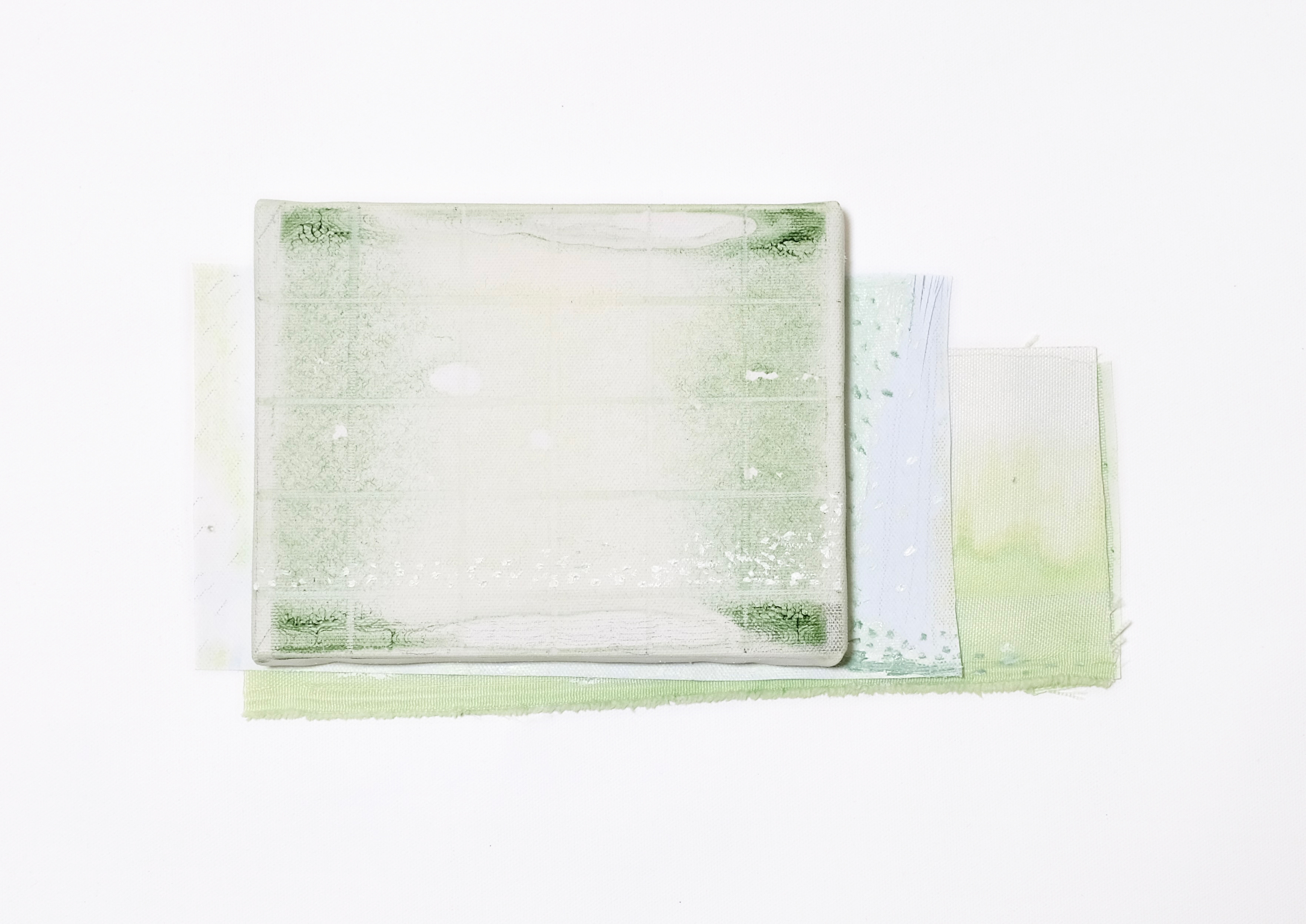
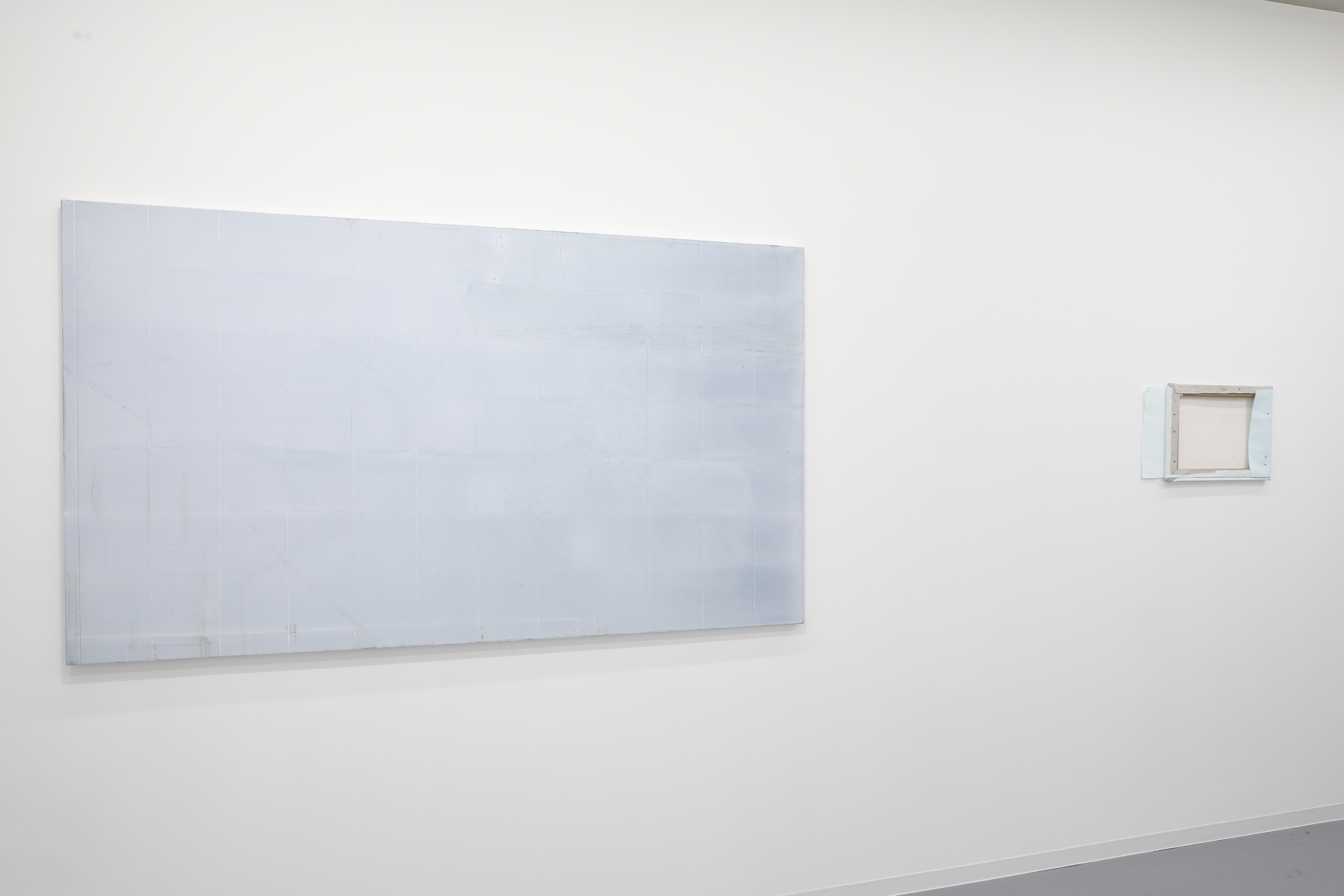
答えのない風景(5-20) Landscapes Without Answers (5-20)
Zhang Pingcheng
2026
- mixed media
H160 × W290mm
Throughout his practice, Zhang has incorporated natural elements such as soil and seawater directly into his paintings. He has also placed works outdoors, allowing fallen leaves, sand, and other environmental materials to become part of the painting’s formation. By distancing himself from an anthropocentric perspective, Zhang approaches painting through the temporality of nature rather than that of human society. Within this process, the artist positions himself not as a sole creator, but as one element among many participating in the work’s emergence.
In his studio practice, Zhang lays canvases flat and gradually builds surfaces through multiple layers of paint and diverse materials. These layers extend beyond the visible face of the painting to areas that remain hidden from view during exhibition, including the reverse and sides of the canvas. This attention to unseen spaces reflects an ongoing interest in aspects of the world that cannot be fully grasped through direct perception, a concern that runs throughout his work.
Walking and encounters with nature are essential to Zhang’s artistic process. Mountain landscapes, the scent of soil, sea winds, and the sound of rain serve as direct sources of inspiration. Emotions, memories, and fleeting impressions born from these experiences are slowly accumulated on the canvas over time. The lines and colors that emerge at the intersection of natural time and human time speak quietly to the viewer, inviting contemplation rather than declaration.
Recurring motifs such as tiled rooftops and boats occasionally appear in the paintings. These forms evoke the lakeside scenery of Wuxi, the artist’s hometown in China. More than expressions of nostalgia, they embody deeply rooted memories and emotions that continue to shape Zhang’s understanding of place, belonging, and personal history. His engagement with nature is therefore also an engagement with memory itself.
The exhibition title, 3, 4, pays homage to 1, 2, a solo exhibition by Hirofumi Toyama, Zhang’s mentor during his university years. Zhang often speaks of the profound influence Toyama had on him, not only in terms of technique but also in shaping his fundamental attitude toward painting.
“My teacher taught me not only the techniques of painting, but also the attitude of confronting painting itself. Through his example, I learned that painting is not simply about completing a single image. Rather, it is about continually asking questions: What is color? What is space? What emerges between one work and another? How do we perceive the invisible distances that exist between people? It was from him that I learned to keep asking such questions.”
This understanding of painting as an ongoing inquiry rather than a fixed image continues to underpin Zhang’s practice today. 3, 4 traces the accumulation of thought and time that has emerged through the artist’s sustained engagement with nature, memory, and painting itself, offering a space in which these elements quietly converge.
In his studio practice, Zhang lays canvases flat and gradually builds surfaces through multiple layers of paint and diverse materials. These layers extend beyond the visible face of the painting to areas that remain hidden from view during exhibition, including the reverse and sides of the canvas. This attention to unseen spaces reflects an ongoing interest in aspects of the world that cannot be fully grasped through direct perception, a concern that runs throughout his work.
Walking and encounters with nature are essential to Zhang’s artistic process. Mountain landscapes, the scent of soil, sea winds, and the sound of rain serve as direct sources of inspiration. Emotions, memories, and fleeting impressions born from these experiences are slowly accumulated on the canvas over time. The lines and colors that emerge at the intersection of natural time and human time speak quietly to the viewer, inviting contemplation rather than declaration.
Recurring motifs such as tiled rooftops and boats occasionally appear in the paintings. These forms evoke the lakeside scenery of Wuxi, the artist’s hometown in China. More than expressions of nostalgia, they embody deeply rooted memories and emotions that continue to shape Zhang’s understanding of place, belonging, and personal history. His engagement with nature is therefore also an engagement with memory itself.
The exhibition title, 3, 4, pays homage to 1, 2, a solo exhibition by Hirofumi Toyama, Zhang’s mentor during his university years. Zhang often speaks of the profound influence Toyama had on him, not only in terms of technique but also in shaping his fundamental attitude toward painting.
“My teacher taught me not only the techniques of painting, but also the attitude of confronting painting itself. Through his example, I learned that painting is not simply about completing a single image. Rather, it is about continually asking questions: What is color? What is space? What emerges between one work and another? How do we perceive the invisible distances that exist between people? It was from him that I learned to keep asking such questions.”
This understanding of painting as an ongoing inquiry rather than a fixed image continues to underpin Zhang’s practice today. 3, 4 traces the accumulation of thought and time that has emerged through the artist’s sustained engagement with nature, memory, and painting itself, offering a space in which these elements quietly converge.